Use of opioids is a severe public health concern. It must be said that legitimate use is welcomed by those in pain and can allow those with chronic pain to function on a daily basis but it also has led many to disastrous results. The National Institutes of Health found that:
Some research indicates that women are more sensitive to pain than men and more likely to have chronic pain, which could contribute to the high rates of opioid prescriptions among women of reproductive age. In addition, women may be more likely to take prescription opioids without a prescription to cope with pain, even when men and women report similar pain levels. Research also suggests that women are more likely to misuse prescription opioids to self-treat for other problems such as anxiety or tension.
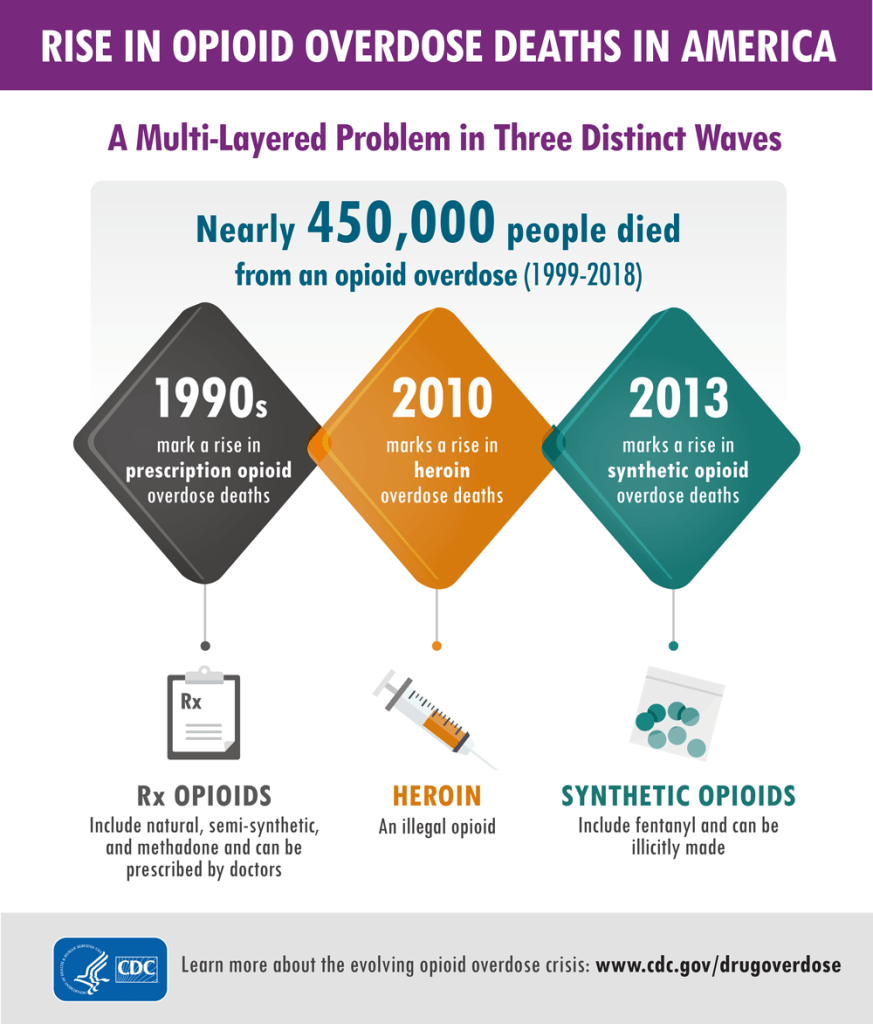
It is also significant that opoid use can lead to oversdose and death as we have all read in the news about communities nationwide struggling with the social cost of addiction. from the same article it states:
A possible consequence of prescription opioid misuse is fatal overdose, which can occur because opioids suppress breathing. In 2016, 7,109 women and 9,978 men died from prescription opioid overdose (a total of 17,087)* which is about 19 women per day compared to about 27 men dying from overdosing on prescription opioids. However, from 1999 to 2016, deaths from prescription opioid overdoses increased more rapidly for women (596 percent or sevenfold) than for men (312 percent or fourfold). Women between the ages of 45 and 54 are more likely than women of other age groups to die from a prescription opioid overdose.
These losses to families and the communities they called home, reverberates and causes great trauma for years to come.
This article can be read in full here https://www.drugabuse.gov/publications/research-reports/substance-use-in-women/sex-gender-differences-in-substance-use
Additional resources:
Harvard Health Help Guide
https://www.helpguide.org/harvard/opioid-addiction.htm
WebMD Drug Interaction Checker
https://www.webmd.com/interaction-checker/default.htm
CDC Overdose Data
https://www.cdc.gov/drugoverdose/data/fentanyl.html
Contacts for assistance and recovery:
SAMHSA-Substance Abuse and Mental Health Services Administration Helpline
https://www.samhsa.gov/find-help/national-helpline
1-800-662-4357
Drugfree.org Parent Helpline
https://drugfree.org/landing-page/get-help-support/
1-855-378-4373
The history of opioids:
 Prescriptions, positive health outcomes and you.